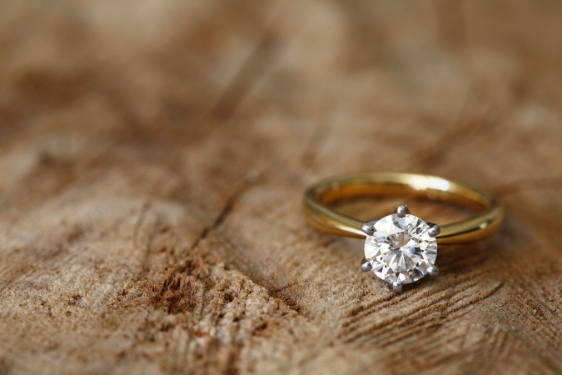
After your divorce, you have probably been left with an engagement ring you do not know what to do with. And perhaps you have considered selling your engagement ring. If so, where do you even start?
Selling an engagement ring after a divorce can bring up a whole lot of feelings – some may be positive, others very likely negative. But if you do sell your ring, you definitely want to get the best deal possible and not get ripped off in the process.
In this article, we’ll look at the experience of selling an engagement ring if you decide to do so. You’ll get an understanding of how to sell and where to sell, plus what to expect during the process. Finally, I’ll explain why I recommend Worthy.com as the best place to sell your engagement ring.
Where You Can Sell Your Engagement Ring
If you are looking to sell your engagement ring, there are a number of different types of places where you can do so. These can include local jewelry stores, online auction services like eBay, pawn shops and consignment stores. They each offer different benefits and drawbacks. Let’s look at some of these options now.
1. Your Local Jewelry Store
It is possible and even likely that you have a local jeweler you already like and trust. Maybe you’ve bought jewelry from there before or have even sold a piece back to them. Having someone you trust to sell your engagement ring to is always a good thing. And you can probably unload your ring this way pretty fast.
But there are significant drawbacks to this method. Brick and mortar jewelry stores can have a lot of costs associated with them: rent or a lease on the property, carrying inventory, staff costs, advertising. All of this has to be taken into account when they consider what price to sell their jewelry for.
As a result, this will all be taken into consideration when deciding how much they would be willing to pay you for your engagement ring. They will try to increase the margin between their buying cost and the price they sell at as much as possible to help meet the overhead and still earn a profit. As a result, you likely won’t get a very good price for your ring.
2. Pawn Shop
There is one major advantage to selling your engagement ring at a pawn shop: speed. You can definitely get cash for your ring fast by going to a local pawn. But, the chances are they you are going to get far less cash in exchange for your diamond than a local jeweler would even pay.
If you need cash in a pinch, then dumping your diamond at a bargain-basement selling price may be worth it. But in any other circumstances, you are at the very least likely better off going to your local jewelry store.
3. eBay
Selling your engagement ring online can be a good option for most people. eBay is one way in which you are able to do this. However, despite your likely familiarity with the eBay auction platform and may even be a frequent user, there are also significant downsides to selling your ring on it.
One significant problem you will face is that you will have a lot of competition. Many people will be attempting to sell their diamond ring alongside you, which drives the selling price down for everyone. As a result, you likely won’t get the best price for your jewelry.
Further, eBay has been known to be a target for some sketchy and scammy people. Worse than being underpaid for your diamond is being completely ripped off and losing the entire value of your ring. While this obviously doesn’t happen all the time, it can be a real possibility that you should look to avoid.
All of these places can be viable ways to sell an engagement ring for different people in different circumstances. But there are pros and cons to each that you should consider. Later in this article we will look further into why Worthy remains the best way for you to sell your ring.
How To Sell Your Engagement Ring
As with most things in life, it’s best to have a plan in mind when you sell your engagement ring. This plan should generally involve the following steps:
- Get Informed – You won’t know what a good price for your ring is if you don’t get the relevant information first. One nearly essential piece of information is a GIA Diamond Grading Report. There are competing reports you could get instead, as well as other places where you can get the value of your diamond appraised.
- Investigate Your Options – Once you have the information you need, it’s time to see what your options are as a seller. Likely there will be plenty of jewelry stores, consignment shops, or pawn shops near you where you can sell your jewelry, or you can go online to a place like eBay, instead. See which option is best for you.
- Consider Your Offer – When someone offers to buy your ring, you will need to decide if the price is good enough for you to accept. If not, you may want to seek out other options or even hold onto the ring for the time being. But if so, you can move ahead with the deal and sell your engagement ring for a satisfactory price.
This is generally how it works to sell your engagement ring. The actual selling process will vary by place – pawn shops will be fastest, the other options will take more time but likely yield you a higher cash payment. Decide which option is the best bet for you.
What Is My Engagement Ring Worth?
Most likely you are not in the jewelry retail business. As a result, you likely won’t be sure how much your engagement ring is truly worth. Of course, in reality it’s worth the highest price someone is willing to pay for it.
In order to have some sense of what your ring is worth you will need to have it appraised. It is even better to get an official grading report like the GIA report mentioned above. This doesn’t tell you the final price you will sell your ring for, but it does give you a ballpark estimation as to how much people may be willing to pay you for your ring.
There are a number of factors that affect the price of the diamond ring. These include:
- The 4 C’s
- Clarity
- Cut
- Carat
- Color
- Shape
- Polish
- Fluorescence
- Symmetry
Each of these factors will likely have some degree of influence over your diamond’s value, especially the famous 4 C’s. These are the factors jewelry appraisers will look for, as will an organization like GIA when they are creating their report.
Why Sell Your Engagement Ring with Worthy
Worthy was created to help people just like you sell their engagement rings without the drawbacks that come with the other options. The idea is to sell your jewelry fast, safely and securely, and transparently all while getting the very best price possible in the market.
So what exactly is Worthy? Worthy is an online auction platform where you can sell jewelry like engagement or wedding rings, diamond earrings, luxury watches, gold, and more to a hand-selected network of the best jewelry buyers for the best price.
Worthy is extremely careful with your jewelry, which makes them trustworthy and safe. Shipping and insurance is covered for your diamond ring, or gemstone up to $100,000. The seller gets a free GIA Diamond Grading Report of the diamond and has full control over the floor price of the sale of the item. You even get paid within 24 hours of the sale!
The internet is full of great reviews of Worthy’s auction platform from happy customers. Some of these reviews can be found on Google, Facebook, Trustpilot, and Sitejabber.
If you are interested in selling your jewelry, you may want to hop over to Worthy’s website now to check out how the engagement ring selling process works and get started selling your engagement ring today.